Net Metering in Islamabad 2026: A Complete Homeowner Guide
If you want your rooftop panels to earn their keep, mastering net metering in Islamabad is essential. In 2026, this policy lets you sell surplus solar energy back to the grid, slashing your bills and shortening payback. Yet many homeowners still misunderstand how the meters, credits, and approvals actually work.
This guide demystifies the entire journey, from eligibility to your first export credit. Whether you live in a DHA villa or an F-block apartment block, you will finish knowing exactly what to expect and how to avoid the delays that trip up first-time applicants.
What Is Net Metering and Why It Matters
Net metering is a billing arrangement where a bi-directional meter measures both the electricity you draw from the grid and the surplus you push back. During sunny afternoons your panels often produce more than you use, and that excess is credited against your night-time consumption.
The result is a dramatically lower monthly bill, sometimes near zero for well-sized systems. Because you avoid the cost of large battery banks, net metering delivers the fastest return for most grid-connected homes in the capital. A reputable solar company in Islamabad will size your system to maximise these export credits.
Who Is Eligible in 2026?
Under the current AEDB and NEPRA rules, consumers on a three-phase connection with sanctioned load of at least the system size can apply. Your solar capacity generally must not exceed your sanctioned load, and the connection must be in the applicant’s name.
- Three-phase connection with adequate sanctioned load.
- System installed by an AEDB-certified vendor.
- Clear roof space with minimal shading for the array.
- Up-to-date electricity bills in the owner’s name.
How Does the Net Metering Application Work?
The process feels bureaucratic, but breaking it into stages makes it manageable. Below is the typical sequence for an IESCO consumer connecting solar in the twin cities during 2026.
- Install a system through an AEDB-approved contractor.
- Submit the net-metering application with equipment datasheets and load details.
- Await the distribution company’s technical feasibility inspection.
- Sign the energy agreement once your site passes.
- Receive and install the bi-directional meter.
- Begin exporting surplus energy and earning credits.
Most approvals now conclude within four to eight weeks when paperwork is complete. Partnering with reliable local experts who file the documents correctly the first time prevents the common rejections over missing datasheets.
Documents You Will Need
| Document | Purpose | Common Mistake |
|---|---|---|
| Latest paid bill | Confirms account and load | Using an unpaid or old bill |
| CNIC copy | Identity of applicant | Name mismatch with meter |
| Inverter datasheet | Grid-compliance proof | Non-certified inverter |
| Single-line diagram | Wiring approval | Unsigned by engineer |
| Undertaking form | Legal agreement | Incomplete fields |
Choosing the Right Equipment for Net Metering
Not every inverter qualifies for grid connection. You need a grid-tie or hybrid inverter that meets the utility’s safety and anti-islanding standards, plus panels that match your roof orientation and load profile.
Quality hardware also protects your export earnings, since underperforming panels reduce the surplus you can sell. Browsing certified solar products in Pakistan helps you compare inverters, panels, and mounting kits that already satisfy AEDB requirements.
For deeper technical context on approved equipment and the national renewable framework, the Alternative Energy Development Board publishes current vendor lists and policy updates worth reviewing before you buy.
Common Mistakes That Delay Approval
Even strong systems get stuck when small details slip. Learn from the errors that repeatedly send applications back to square one.
- Oversizing: requesting capacity above your sanctioned load triggers rejection.
- Name mismatch: the bill and CNIC must match exactly.
- Uncertified vendor: installs by non-AEDB contractors are not accepted.
- Poor documentation: unsigned diagrams stall the technical review.
Avoiding these pitfalls keeps your timeline tight and your savings arriving sooner. A seasoned installer catches these issues before submission, not after a costly rejection.
What Happens After Your Meter Is Installed?
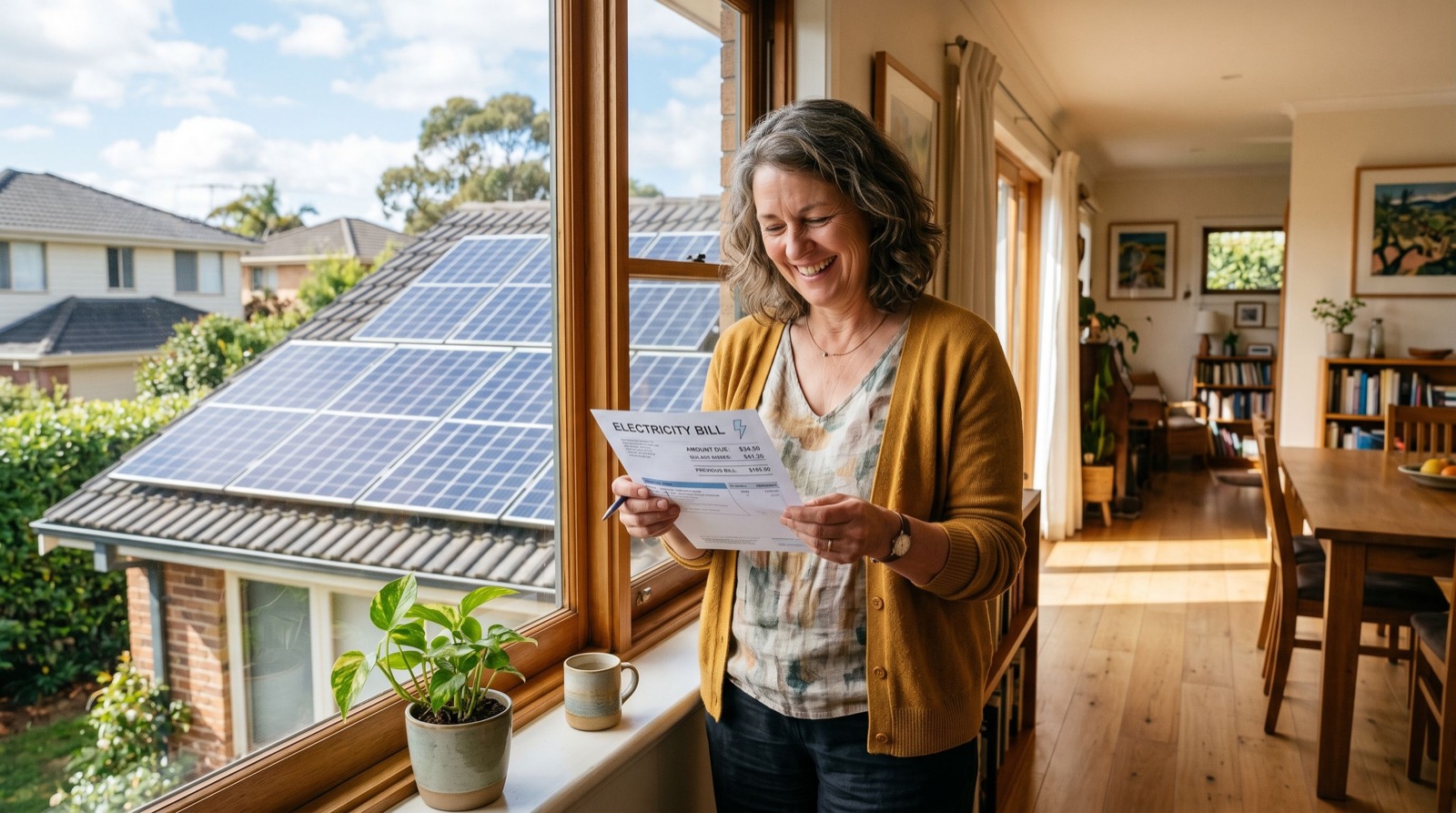
Approval is not the finish line; it is the start of your savings journey. Once the bi-directional meter is live, your monthly bill begins reflecting both consumption and export, so learning to read it correctly matters.
In the first billing cycle, watch how your exported units offset the units you draw at night. Many homeowners are surprised by how quickly credits accumulate during sunny months, especially in spring and autumn when panels perform at their peak.
- Review your first bill line by line to confirm import and export readings.
- Track daily generation through your inverter’s monitoring app.
- Adjust heavy usage, like laundry, to daylight hours to boost self-consumption.
- Keep the array clean so export credits stay high through dusty months.
Seasonal awareness pays off. Summer brings the longest days but also the most dust, so a quick monthly wash keeps output strong. Winter shortens daylight, so credits banked in sunnier months help balance the leaner weeks.
Over a full year, most well-designed systems in the capital deliver a comfortable net benefit. If your numbers look off, contact your installer early rather than waiting, since a single loose connection or shaded panel can quietly erode your export earnings.
Frequently Asked Questions
How long does net metering approval take in Islamabad?
With complete paperwork and a certified installer, approval usually takes four to eight weeks in 2026. Delays almost always trace back to missing datasheets, name mismatches, or oversized system requests.
Can I get net metering on a single-phase connection?
Net metering typically requires a three-phase connection. If you have single-phase, ask your installer about upgrading your connection or discuss alternative self-consumption setups with your distribution company.
Do net metering credits expire?
Credits carry forward month to month and are usually settled on an annual basis. Any net export balance is adjusted according to the utility’s current settlement rules, so review your agreement carefully.
Is battery backup compatible with net metering in Islamabad?
Yes. A hybrid inverter lets you store energy for load-shedding while still exporting surplus for credits. This combines resilience with the bill savings that make net metering in Islamabad so attractive.
Final Thoughts and Next Steps
Done right, net metering in Islamabad transforms your roof into a revenue-generating asset while shielding you from rising tariffs. Focus on certified equipment, flawless paperwork, and an installer who owns the process from application to meter swap.
Want a smooth, delay-free connection this year? Speak with a trusted local solar team today and turn your surplus sunshine into real savings.