Imagine watching your electricity meter slow down instead of racing ahead every month. For thousands of households across Pakistan that have already gone solar, that is simply everyday life. Rising grid tariffs, frequent outages, and abundant year-round sunshine have combined to make solar one of the best decisions a homeowner can make right now. In the sections below, we’ll cover how solar works, what it costs, how much you can save, and how to avoid the common pitfalls.
Rising tariffs, unpredictable power cuts, and a hot, sunny climate make Pakistan one of the best places in the world to embrace solar energy. For most homeowners, the question is no longer whether to switch, but how to do it properly so the system performs for decades. A well-planned solar setup can slash your bills, keep your home running through outages, and even add value to your property. Let’s look at everything that goes into a great solar investment.
Lower Bills, Month After Month
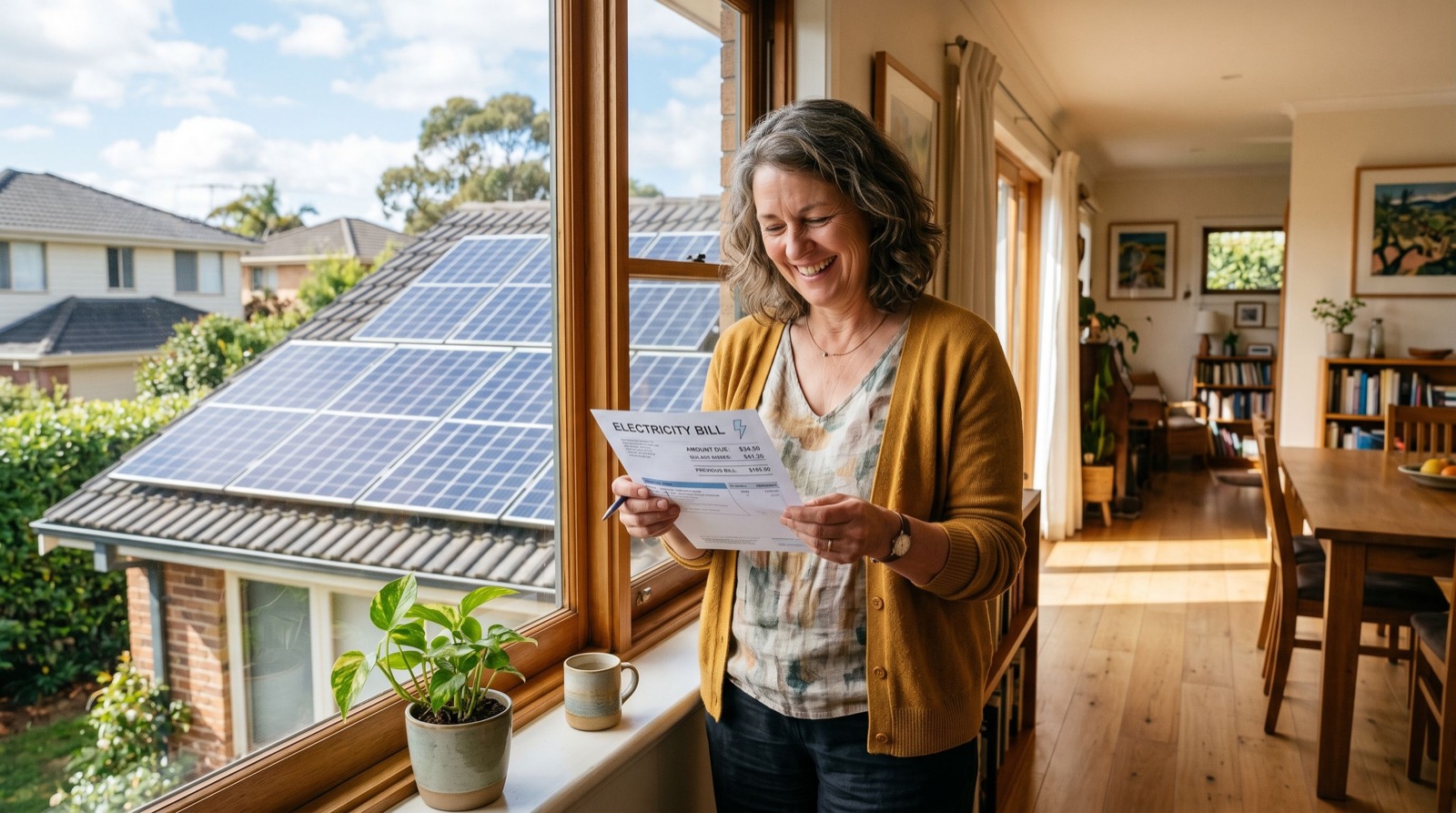
The most immediate and satisfying benefit of solar is the one you feel directly in your pocket. A properly sized system can offset a large share of your household’s monthly consumption, and with net metering you can even send surplus power back to the grid for credit. Instead of watching your bill climb every summer as the air conditioning runs, you watch it shrink. Over the twenty-five-year life of a quality system, those monthly savings compound into a very substantial sum – often several times the original cost of the installation.
Installation Is Half the Battle
Even the finest panels will underperform if they are poorly installed. Correct orientation toward the sun, the right tilt angle, secure mounting that withstands wind and weather, and clean, safe wiring all directly affect how much energy you actually harvest. This is precisely why the company you hire matters as much as the hardware you buy. A skilled, experienced installer maximises your output, ensures your system is safe, and stands behind their work – turning good equipment into a genuinely great system. That’s exactly why it pays to work with a solar installation that knows the local market inside out.
What About Maintenance?
One of the quiet joys of solar is how little upkeep it demands. For the most part, panels simply sit on your roof and work. An occasional cleaning to remove dust and debris keeps them operating at peak efficiency, and a periodic check of the inverter and connections catches any issue early. Many quality installers also offer remote monitoring, so you can see your system’s performance at a glance and spot any dip before it costs you. Compared to almost any other home investment, the maintenance burden is remarkably light.
Designed for Pakistan’s Climate
With long, sunny days for most of the year, Pakistan is almost tailor-made for solar generation. A system that is properly designed for local conditions – accounting for heat, dust, and seasonal sun angles – will reward you with strong, dependable output all year round. Good installers understand these local factors and build them into their design, choosing components and layouts that thrive in the environment rather than struggle against it. The result is a system that consistently produces more, giving you better savings and faster payback. Quality and attention to detail matter in every home upgrade, much like the care you’d expect from reputable service experts.
Net Metering: Your Roof as a Power Plant
Net metering is one of the biggest reasons grid-tied solar pays off so quickly in Pakistan. It allows you to feed the surplus electricity your panels generate during the day back into the grid, earning credit for every unit. On bright, sunny days your meter effectively runs backward, banking energy that offsets what you draw at night. The result is that your roof becomes a small power plant, and the utility company becomes your battery – dramatically improving the economics of your whole system without any extra hardware.
The Real Return on Investment
It helps to think of solar less as an expense and more as prepaying years of electricity at a steep discount. Most well-designed home systems recover their full cost within a few years, and then continue delivering essentially free power for two decades or more. Few investments available to an ordinary household offer that combination of certainty, longevity, and steadily rising value as grid prices climb. When you run the numbers over the life of the system, solar consistently outperforms leaving your money in the bank. Start by identifying a solar panels in Kohat with strong reviews, solid warranties, and real after-sales support.
Key Takeaways
- Lower Bills, Month After Month: The most immediate and satisfying benefit of solar is the one you feel directly in your pocket.
- Installation Is Half the Battle: Even the finest panels will underperform if they are poorly installed.
- What About Maintenance?: One of the quiet joys of solar is how little upkeep it demands.
- Designed for Pakistan’s Climate: With long, sunny days for most of the year, Pakistan is almost tailor-made for solar generation.
- Net Metering: Your Roof as a Power Plant: Net metering is one of the biggest reasons grid-tied solar pays off so quickly in Pakistan.
- The Real Return on Investment: It helps to think of solar less as an expense and more as prepaying years of electricity at a steep discount.
The Bottom Line
At its heart, solar is about freedom – freedom from rising tariffs, from constant outages, and from the anxiety of the next bill. With a well-built system and a trustworthy partner guiding you, that freedom is well within reach. The sooner you start, the sooner your home begins generating its own clean, affordable energy.
Going solar is one of the few decisions that keeps paying you back for decades. With the right system and the right team behind it, you can lower your bills dramatically, ride out the outages in comfort, and take real control of your household energy. As grid prices continue to climb, the value of that decision only grows.